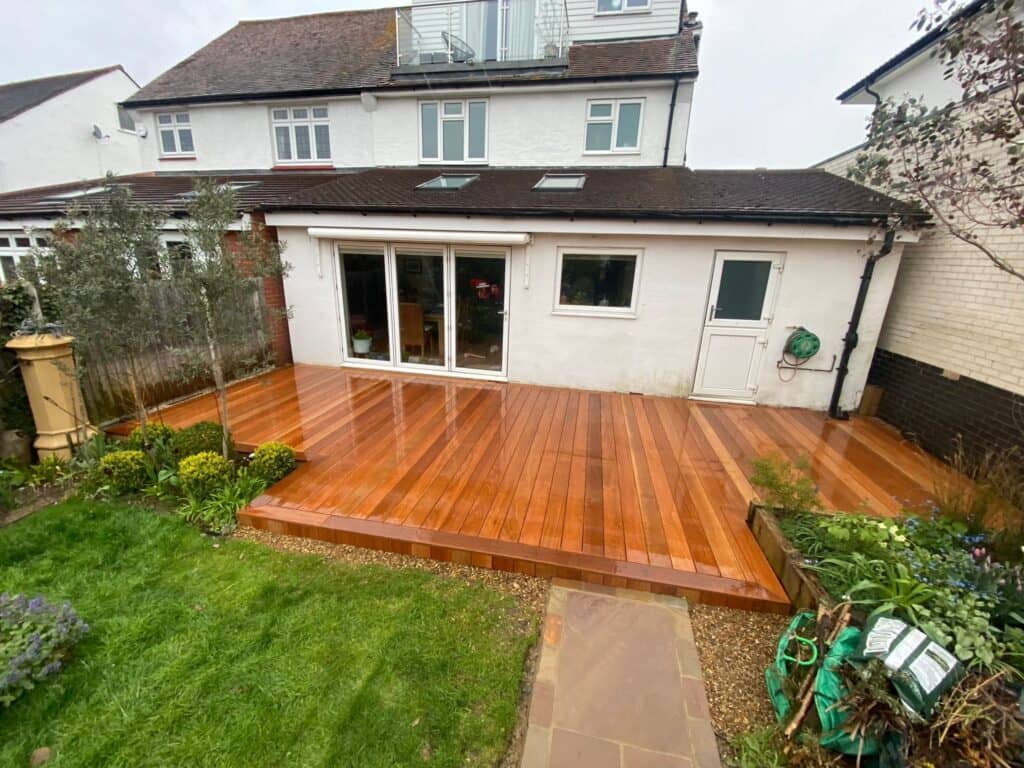
Your fence serves as more than just a boundary for your property—it enhances security, provides privacy, and contributes to the overall appearance of your outdoor space. Regular maintenance ensures your fence stays strong, functional, and visually appealing for years. By committing to routine care, you can avoid costly repairs and extend the life of your investment. Follow these practical tips to keep your fence in excellent condition.
Regular Fence Inspections
Conducting regular inspections allows you to catch minor issues before they escalate into significant problems. A quick check every few months can make a big difference.
What to Look For:
- Structural Integrity: Check for leaning sections, sagging panels, or loose posts that might compromise the fence’s stability.
- Material Damage: Inspect for signs of rot, rust, or insect activity, particularly in wooden fences.
- Gate Functionality: Ensure gates open and close smoothly without sticking or squeaking.
- Hardware Issues: Examine hinges, latches, and locks for wear and tear, tightening or replacing components as needed.
Inspecting the Surrounding Area:
- Post Bases: Look for signs of rot or decay at the base of wooden posts.
- Soil Movement: Monitor for soil erosion around the base of the fence, which could weaken its foundation.
- Drainage: Make sure water isn’t pooling near the fence, as excess moisture can lead to damage.
Regular inspections keep your fence secure and reduce the likelihood of costly repairs later.
Cleaning Your Fence
Cleaning your fence regularly helps maintain its appearance and protects it from damage caused by dirt, mildew, and other environmental factors.
Cleaning Methods Based on Material:
- Wooden Fences: Use a mixture of mild soap and water for general cleaning. For tougher stains, a vinegar and water solution works effectively. Avoid harsh chemicals that could damage the wood.
- Vinyl Fences: Clean with a simple soap and water solution to remove dirt and grime. Use a soft sponge to avoid scratching the surface.
- Metal Fences: Wash with detergent and water, and use a rust remover for any spots of corrosion.
Pro Tips for Cleaning:
- A soft-bristle brush is ideal for scrubbing away dirt without causing damage.
- If you opt for a pressure washer, use a low-pressure setting to prevent stripping paint or damaging the fence’s surface.
- Rinse thoroughly after cleaning to remove all soap residue, which can attract dirt if left behind.
Regular cleaning keeps your fence looking its best and helps it resist damage from environmental factors.
Repair and Preventive Measures
Even with regular inspections and cleaning, fences occasionally need repairs. Addressing these issues promptly can prevent further damage and maintain your fence’s integrity.
Quick Fixes:
- Loose Components: Tighten screws, bolts, or nails to ensure the fence remains stable.
- Damaged Panels or Posts: Replace any sections that are cracked, rotten, or rusted beyond repair.
- Sagging Sections: Reinforce sagging fences by adjusting or replacing the posts.
Preventive Steps to Extend Lifespan:
- Wood Fences: Apply a protective coating, such as paint or sealant, to shield the wood from moisture, UV rays, and insects.
- Metal Fences: Treat with rust-resistant paint or primer to prevent corrosion.
- Clearing Vegetation: Trim back any plants or trees near the fence to avoid damage from overgrowth or falling branches.
By addressing repairs quickly and implementing preventive measures, you can ensure your fence remains durable and reliable.
Seasonal Maintenance Considerations
The changing seasons can affect your fence in different ways. Adjusting your maintenance routine throughout the year can help your fence withstand seasonal challenges.
Spring:
- Inspect for damage caused by winter weather, such as rot, rust, or loose posts.
- Clean the fence to remove dirt and debris accumulated over the colder months.
Summer:
- Check for signs of UV damage on wooden fences and reapply stain or sealant if needed.
- Keep vegetation trimmed to allow airflow around the fence, preventing moisture buildup.
Autumn:
- Clear fallen leaves and debris from around the fence to prevent moisture buildup and pest infestations.
- Check for structural issues that may worsen during winter.
Winter:
- Protect your fence from heavy snow by brushing off excess weight, especially on wooden fences.
- Monitor metal fences for signs of rust and apply rust inhibitor if needed.
Tailoring your maintenance efforts to the seasons ensures your fence remains resilient year-round.
Why Fence Maintenance Matters
Proper fence maintenance offers several benefits beyond aesthetics. A well-maintained fence:
- Enhances Property Value: A clean, sturdy fence boosts kerb appeal and adds value to your home.
- Provides Security: Regular upkeep ensures your fence continues to protect your property effectively.
- Saves Money: Preventive maintenance reduces the likelihood of costly repairs or replacements.
- Extends Lifespan: Simple, consistent care can add years to your fence’s life.
Investing time in maintaining your fence is a practical way to protect your property and ensure it looks great for years to come. Routine inspections, cleaning, repairs, and preventive measures keep your fence in top condition, providing security, privacy, and beauty to your outdoor space.