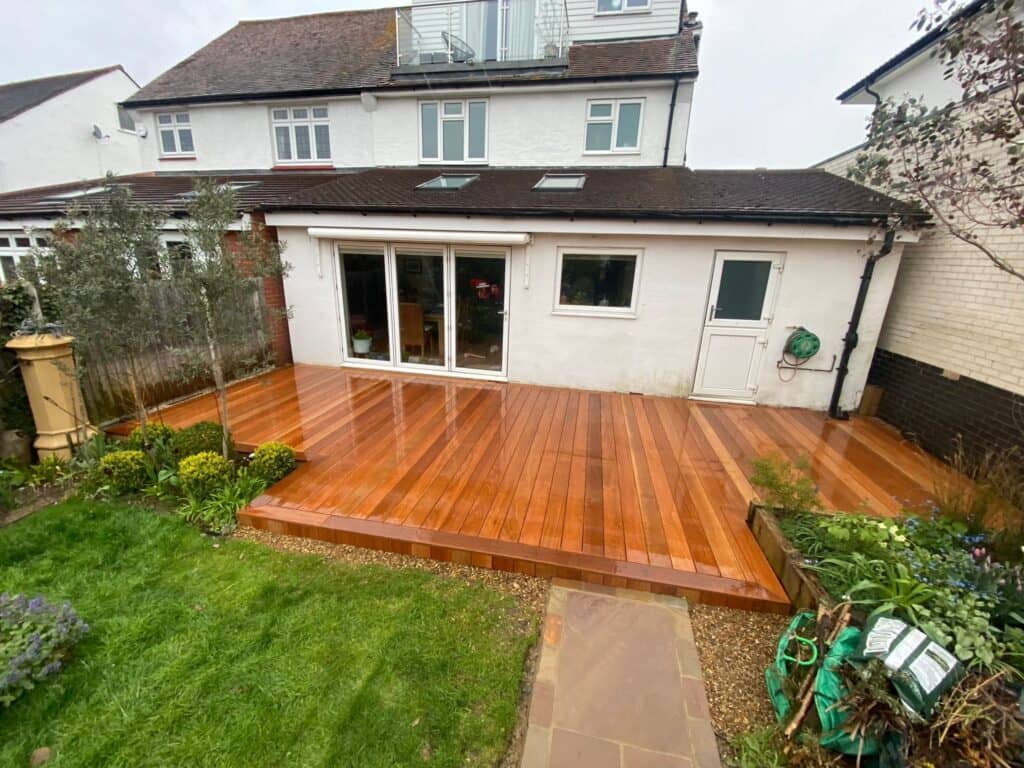
Building your dream patio from scratch does not have to be a confusing process, but understanding the total cost is essential. Many homeowners are surprised by the expenses involved in paver patio installation, especially when considering materials, size, and labour. This article will break down key factors such as the location and layout of your yard, the type of materials you choose, and the additional accessories you may want. You’ll find clear guidance on how to budget effectively, helping you make informed decisions and manage costs efficiently in today’s cost-of-living environment.
Assess the Location and Layout for Your Patio Area

Considering the right location and layout for your patio is essential for a successful project. You’ll need to identify sunlight and shade patterns to ensure seating comfort, determine accessibility to other outdoor areas, and assess nearby structures that could affect your design. Additionally, evaluating the ground surface for stability and drainage is crucial, along with understanding local building codes and permits required for installation. Finally, think about how your patio will integrate with future landscaping efforts.
Identify Sunlight and Shade Patterns for Seating Comfort
When designing your patio, observing sunlight and shade patterns is vital for ensuring your comfort. Spending time outdoors should be enjoyable, which means placing seating areas where sunlight can be enjoyed at the right time of day, while also providing shaded spots for relief during peak sun hours. As you consider your layout, think about how hardwood structures, such as pergolas or awnings, can offer protection without obstructing views or access to other garden features.
Your patio should also maintain good accessibility, allowing movement between different areas of your outdoor space. A general contractor can assist in creating a seamless transition from your patio to other sections of the garden while ensuring weed control strategies are in place to keep your area looking tidy. By properly assessing sunlight and shade, you can craft a patio that meets your needs for relaxation and entertainment, while simultaneously enhancing the overall value of your home.
Determine Accessibility and Flow to Other Outdoor Spaces
Ensuring proper accessibility to your patio is essential for its long-term use and enjoyment. You should plan pathways that connect the patio with other outdoor spaces, facilitating easy movement for guests and household members. This flow can help you manage your lawn care effectively, reducing the expense of regular maintenance while enhancing the overall aesthetic of your garden.
As you design the layout, consider relevant guidelines set by your homeowner association to maintain overall neighbourhood appearance. Furthermore, integrating features like recycling bins or storage for outdoor items can keep your space organised and operational. By prioritising accessibility and flow in your patio design, you enhance its longevity and usability, creating an inviting atmosphere ready for gatherings and relaxation.
Consider Nearby Structures and Features That Affect Design
When designing your patio, consider how nearby structures, such as fences, walls, or trees, can influence your space. These elements can affect both the functionality and durability of your patio installation. For instance, overhanging branches from nearby trees may not only create shade but also increase debris in your patio area, leading to higher maintenance costs. Keeping these factors in mind will help you make informed decisions that align with your vision while controlling expenses associated with renovations.
Moreover, understanding how the proximity of features like your house or swimming pool impacts your layout is crucial. You might need a deck cost calculator to accurately estimate the square foot pricing based on these relationships. Planning for proper drainage around any structures will help maintain the integrity of your patio over time. Assessing these nearby elements will ultimately guide you in creating a seamless outdoor experience that meets your needs while staying within budget.
Evaluate the Ground Surface for Stability and Drainage
Before engaging in paver installation for your dream patio, evaluating the ground surface is crucial to ensure stability and proper drainage. A well-prepared base not only supports the weight of the structure but also minimises the risk of future issues, such as shifting or cracking. Understanding the necessary joist placement and constructing a solid foundation will provide you with the knowledge to address potential drainage problems, which can save you from costly repairs down the line.
Moreover, consider the grade of the land around your patio area. Adequate slope is needed to direct water away from your foundation and prevent pooling. If your outdoor space includes features like a staircase leading to the patio, it’s essential to assess how the ground surface interacts with these elements. A strong understanding of these aspects will lead to a more durable installation that enhances the functionality and beauty of your patio.
Plan for Future Landscaping and Garden Integration
When planning your patio, consider how it will fit into your overall landscaping efforts. A well-integrated design means your patio will harmonise with any future features, such as a hot tub or garden beds. This foresight can prevent costly adjustments later and ensures that professional installation aligns seamlessly with your existing outdoor space.
Additionally, think about seasonal changes, like snow accumulation, which can affect both your patio‘s usability and its integration with the rest of your garden. By anticipating these aspects during the construction phase, you can create a versatile outdoor area that remains functional and aesthetically pleasing throughout the year, ultimately enhancing your enjoyment of the space.
Choose Appropriate Materials for Your Patio Design

When selecting materials for your patio, consider factors such as durability and aesthetics by comparing available stone types. You can also choose concrete options that reflect your style preferences while exploring the benefits of wood versus composite materials. Assess the cost differences between these choices, review their maintenance requirements, and investigate eco-friendly options to ensure compliance with local regulations. This decision-making process will ultimately enhance the functionality and appearance of your outdoor space.
Compare Available Stone Types for Durability and Aesthetics
When considering materials for your patio, comparing various stone types can greatly influence both durability and aesthetics. Natural stone options, such as flagstone or slate, offer a unique and attractive appearance while providing excellent longevity. On the other hand, stamped concrete can mimic these natural stones at a lower cost, giving you a stylish finish with less maintenance; however, it may require the application of a sealant to ensure lasting protection against the elements.
While basic concrete is a cost-effective choice, it often lacks the visual appeal of higher-end materials. Understanding the pros of each type can guide your decision based on your budget and desired look. For instance, if you prioritise a high-end finish and are willing to invest more upfront, opting for quality stone may provide you with an elegant patio that enhances your home’s value, making your deck construction both practical and visually pleasing.
Select Concrete Options That Suit Your Style Preferences
Selecting the right concrete option for your patio is essential to match your style preferences while considering the overall design of your outdoor area. For instance, decorative concrete techniques, such as stamped patterns or textured finishes, can mimic more expensive materials like a brick paver patio without the high cost. Keep in mind your lawn‘s layout and any necessary elements like a retaining wall, which can complement your concrete choices and enhance the visual appeal of your outdoor space.
Your climate should also influence your concrete selection. In regions with extreme weather, specific finishes and sealants can improve durability and reduce maintenance. By opting for high-quality concrete options that align with your style, you can create an inviting and functional patio that stands up to the elements while providing a lasting foundation for your outdoor gatherings.
Explore the Benefits of Wood Versus Composite Materials
When considering deck material costs, wood presents an attractive option due to its natural appeal and environmentally friendly characteristics. It is widely available and can often be sourced sustainably, making it a choice that aligns with eco-conscious values. However, wooden surfaces require regular maintenance, which can add to your overall costs in the long run, particularly if you want to keep the floor looking its best.
Composite materials, on the other hand, may come with a higher initial price but they offer durability and longevity that wood often cannot match. Many composite options include warranties that assure you of their lifespan, reducing worries about repairs or replacements. This type of material requires less skill for installation as it can be designed to mimic the look of wood without extensive upkeep, providing an appealing and practical solution for your patio.
Assess the Cost Differences Between Various Material Choices
When assessing the cost differences between various material choices for your patio, it’s important to factor in both the price of materials and the associated labour costs. Different hardscape materials, such as natural stone, concrete, or composite decking, can vary significantly in upfront pricing. Choosing a higher-end material like natural stone may offer a greater return on investment in terms of aesthetics and durability, but it generally involves higher deck labour costs due to the skill required for installation.
Moreover, understanding the total costs related to your patio project allows you to make informed home improvement decisions. For example, while composite materials might have a steeper initial price tag, their low maintenance needs and longevity can make them a cost-effective choice over time. Evaluating these factors ensures you select materials that fit your budget while enhancing the value of your outdoor space and aligning with your long-term goals.
Review Maintenance Requirements for Each Material Type
When considering the maintenance requirements for materials like wood fibre and natural stone, it’s essential to understand that each choice requires a different level of care. Wood fibre, while offering a natural aesthetic, needs regular treatment to protect against weathering, especially in urban areas. If you plan to integrate features like a fire pit or stairs, keeping up with maintenance becomes even more vital to ensure safety and longevity.
On the other hand, materials such as composite decking often demand less upkeep, making them an appealing choice for busy homeowners. While you might save on maintenance for composite materials, consider the initial setup costs and the potential need for demolition if they don’t meet your future design needs. Ultimately, evaluating these maintenance factors will help you make a more informed decision as you build your dream patio from scratch.
Investigate Eco-Friendly Options Available on the Market
When considering eco-friendly options for your patio, it’s essential to look at materials that minimise wear and resist mold. For example, recycled composite decking made from post-consumer products can offer the look of wood without the disadvantages, such as susceptibility to rot. As you consult with patio builders, ask about sustainable choices that not only enhance your patio’s aesthetics but also contribute to a greener environment.
Another factor to consider is the long-term maintenance of the materials you choose. Do it yourself approaches using environmentally friendly sealants or finishes can further protect your patio from the elements and wear over time. By investing in eco-conscious materials, you not only save money on upkeep but also create a healthier outdoor space for your family and friends to enjoy.
Factor in Patio Size and Configuration in Your Budget
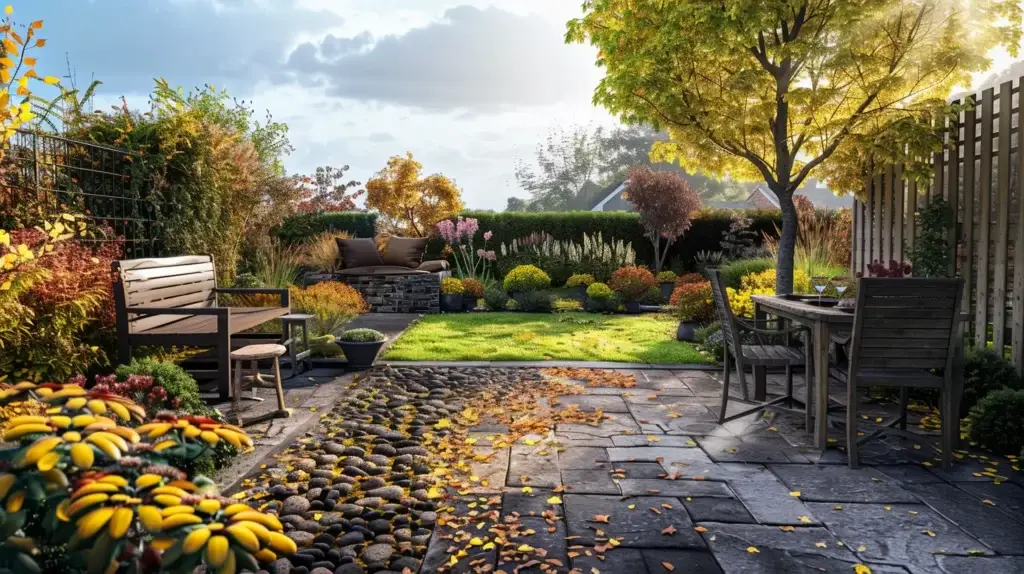
Calculating square footage is essential for estimating your material costs effectively. You should determine the ideal shape for your patio to balance functionality and beauty. Additionally, consider seating capacity and furniture dimensions, and assess your needs for outdoor heating and lighting. Evaluating possible features like fire pits or water elements can enhance usability, while planning for future expansions allows for adaptability in your landscaping project.
Calculate Square Footage to Estimate Material Costs
To accurately calculate the square footage of your patio, start by determining its desired dimensions, as this measurement directly impacts your material costs. Whether you’re planning to lay a concrete slab or frame a deck, knowing the total area allows you to estimate how much wood, concrete, or other materials you will need. This planning step is crucial for budgeting effectively and helps avoid unexpected expenses during the construction phase.
Additionally, consider any structural features like roofs or overhangs when sizing your patio. These elements not only enhance functionality but can also affect the total cost of carpentry work and finishing touches like stains. By carefully calculating your patio‘s square footage before you begin, you can make informed choices on materials and design, ultimately ensuring a stylish and cost-effective outdoor space that meets your lifestyle needs.
Determine the Ideal Shape for Functionality and Aesthetics
When determining the ideal shape for your patio, consider how it will fit into your property and enhance functionality. A rectangular patio can serve well for dining and entertaining, while a circular shape may provide a more inviting layout around features like a fireplace or fire pit. Additionally, incorporating pathways with gravel around your patio can help create a seamless transition to your garden, providing both practicality and visual appeal.
Moreover, think about how the shape impacts your lighting arrangements. A well-designed patio can accommodate various lighting options to enhance evening gatherings, making the space usable after sunset. By selecting a shape that complements your property‘s overall design and meets your needs, you can create an outdoor area that serves as an attractive and functional retreat for relaxation and entertainment.
Assess Seating Capacity and Required Furniture Dimensions
When planning your patio, assessing seating capacity is vital for ensuring it comfortably accommodates family and guests. Consider the number of people you typically host and select furniture dimensions that fit your space without overwhelming it. For example, if you’re looking at deck installation, make sure to include ample space for chairs and tables while allowing for movement, which can significantly affect the overall comfort and usability of your deck project.
Incorporating the right furniture dimensions into your landscape will enhance functionality and create an inviting atmosphere. You might want to finance specific pieces that align with your theme and size requirements. Opting for modular furniture can also provide versatility, enabling you to reconfigure your seating as needed, ultimately maximising the enjoyment and practicality of your deck building endeavour.
Consider Outdoor Heating and Lighting Needs for Size
When planning your backyard patio, considering outdoor heating and lighting needs is crucial for creating a comfortable and functional space. For instance, if you intend to use your Maryland patio during the cooler months, incorporating heating solutions such as fire pits or patio heaters will enhance comfort and usability. Additionally, proper lighting not only extends your outdoor enjoyment into the evening but also ensures safety, making it vital to select appropriate fixtures that illuminate pathways and seating areas effectively.
The type of materials you choose can also influence the overall paver patio cost. For a cohesive design, you might opt for pine for wooden features like pergolas, which can complement the outdoor heating elements while adding aesthetic appeal. By evaluating your heating and lighting options early in your planning process, you can determine how these features affect both the size and budget of your patio, ensuring it meets your needs and enhances your outdoor experience.
Evaluate Additional Features Like Fire Pits or Water Elements
Incorporating features like fire pits or water elements can significantly enhance your patio’s functionality and aesthetic appeal while also affecting your overall budget. Fire pits provide warmth and a gathering spot for friends and family, often constructed from durable materials like concrete or wood. If you’re considering adding a fire pit, ensure you factor in the cost of materials, such as concrete and rebar for structural support, as well as potential fencing requirements for safety and privacy.
Water features, such as fountains or ponds, can create a relaxing atmosphere in your outdoor space but will also increase costs due to installation and maintenance. When planning these elements, think about how they integrate with the existing design of your concrete patio. Balancing these features with your desired layout can help optimise space and ensure your budget aligns with your vision, resulting in a well-rounded outdoor area you will truly enjoy.
Plan for Potential Expansion or Alterations in the Future
When planning your patio, consider the potential for expansion or alterations in the future. By designing your outdoor space with flexibility in mind, you can avoid costly modifications later. For example, if you intend to incorporate decking made from plastic or wood, ensure that the initial layout accommodates the complexity of adding new sections without disrupting the overall design.
Thinking ahead allows you to choose materials and configurations that make future changes easier and more affordable. If you decide to build a deck later, having a solid foundation and clear access points can facilitate a smooth integration. This foresight can ultimately save you both time and money, ensuring that your patio remains adaptable as your needs evolve over the years.
Include Labour Costs in Your Patio Construction Budget

Labour costs are a significant factor when building your dream patio. You should begin by estimating costs based on whether you plan to do the work yourself or hire contractors. Hiring skilled professionals can ensure high-quality results, but obtaining multiple quotes from different service providers will help you find the best value. Don’t forget to factor in supervision and project management fees, as well as seasonal pricing impacts on construction costs. Lastly, explore possible DIY opportunities for savings, which can reduce your overall budget.
Estimate Costs Based on Individual Versus Contractor Work
When you decide to build your patio, estimating costs based on whether you will do the work yourself or hire professionals is crucial. If you choose to tackle the project on your own, you may save on labour expenses but must still consider the value of your time and any potential mistakes that could lead to additional costs. On the other hand, hiring skilled contractors ensures a high-quality finish and adherence to local regulations, though it often comes at a higher price.
Your choice will depend on your skill level, the complexity of the project, and your budget. Engaging contractors might appear more expensive upfront, but they can complete the work efficiently and effectively, potentially saving you money in the long term through reduced maintenance and repairs. Weighing these options carefully allows you to make an informed decision that aligns with your vision for your dream patio.
Evaluate the Benefits of Hiring Skilled Professionals
Hiring skilled professionals for your patio construction can significantly reduce the risk of costly mistakes. Their expertise ensures that all work adheres to local regulations, which can save you from potential fines or the need for expensive modifications later. With their ability to deliver high-quality finishes, you can enjoy a patio that not only meets your expectations but also enhances the overall value of your property.
Building your dream patio from scratch does not have to be a confusing process, but understanding the total cost is essential. Many homeowners are surprised by the expenses involved in paver patio installation, especially when considering materials, size, and labour. This article will break down key factors such as the location and layout of your yard, the type of materials you choose, and the additional accessories you may want. You’ll find clear guidance on how to budget effectively, helping you make informed decisions and manage costs efficiently in today’s cost-of-living environment.
In addition to delivering superior results, skilled professionals bring efficiency to the project, saving you valuable time. They are familiar with the best practices and have access to the right tools for the job, which can streamline the construction process. By entrusting the work to experienced contractors, you can focus on enjoying the vision for your outdoor space while knowing the details are in capable hands.
Obtain Multiple Quotes From Different Service Providers
Obtaining multiple quotes from different service providers is a vital step in budgeting for your patio construction. By comparing estimates, you gain insight into the labour costs associated with your project, helping you identify the most cost-effective options available. It’s important to ensure that the quotes you receive account for similar scopes of work, so you can make an accurate assessment based on quality and value.
As you collect these quotes, take the opportunity to ask questions about the details of their proposed work. This not only helps clarify any uncertainties but also gives you a chance to gauge the responsiveness and professionalism of each contractor. By doing your due diligence, you can confidently choose a service provider that aligns with your budgetary needs while ensuring the successful execution of your patio project.
Factor in Supervision and Project Management Fees
Factoring in supervision and project management fees is a key step in your patio construction budget. These fees often cover the costs associated with overseeing the project to ensure that everything runs smoothly and adheres to local regulations. By keeping these expenses in mind, you can effectively manage your overall budget and avoid any surprises during the construction process.
Effective project management contributes significantly to the success of your patio build, as it helps coordinate timelines, materials, and labour. A skilled project manager will help prevent delays and ensure that you receive quality work, ultimately making it a wise investment. This proactive approach to supervision can save you money in the long run by reducing the likelihood of costly mistakes or rework.
Assess Seasonal Pricing Impacts on Construction Costs
Understanding how seasonal pricing impacts construction costs is vital for your patio project. Typically, demand for patio construction increases during warmer months, leading to higher labour rates as contractors become busier. Conversely, undertaking your project during off-peak seasons may result in lower costs and greater availability of skilled professionals, allowing you to save money while still achieving the quality you desire.
Additionally, certain materials may fluctuate in price depending on the season. For example, materials like pavers or timber can see price increases during spring and summer months when demand rises. By planning your construction timeline strategically, you can take advantage of lower prices and secure a favourable budget for your patio, ensuring that you invest wisely in your outdoor space.
Consider Possible DIY Opportunities for Cost Savings
Exploring DIY opportunities can be a smart way to manage costs when building your dream patio from scratch. By taking on tasks like digging, laying pavers, or even installing features, you can significantly cut down on labour expenses. Make sure to assess your skill level and time availability, as engaging in DIY projects allows you to personalise your patio while keeping your budget in check.
Another advantage of a DIY approach is the chance to learn valuable skills you may use in future home improvement projects. You can maximise your savings by sourcing materials at local suppliers or second-hand stores, ensuring quality without the hefty price tag. By planning carefully and dedicating some hands-on effort, you can create a beautiful outdoor space that enhances the value of your home and meets your specific needs.
Plan for Additional Accessories and Amenities

To create a truly inviting patio, you must consider various additional accessories and amenities. Start by identifying necessary furnishings for comfort and usability, such as seating and tables. Explore decorative elements that enhance outdoor aesthetics, and incorporate lighting options for evening enjoyment. Don’t forget to factor in heating solutions for cooler days and weather-resistant storage for patio essentials. If desired, assess the inclusion of outdoor kitchen or grilling features to elevate your cooking and dining experience.
Identify Necessary Furnishings for Comfort and Usability
When designing your patio, identifying necessary furnishings for comfort and usability is essential for creating an inviting outdoor space. You should consider seating options, such as benches, chairs, and lounge areas, which not only enhance relaxation but also accommodate gatherings with family and friends. Choosing materials that are weather-resistant will ensure that your furnishings endure the elements while keeping your patio functional and attractive.
In addition to seating, incorporating tables for dining and entertaining is vital for usability. Whether you prefer a large dining table for hosting meals or smaller side tables for drinks and snacks, the right choices can elevate your outdoor experience. Positioning these furnishings thoughtfully around your patio layout ensures you maximise space while providing a comfortable environment for various activities, ultimately enhancing the overall enjoyment of your outdoor area.
Explore Decorative Elements That Enhance Outdoor Aesthetics
Incorporating decorative elements into your patio design can significantly enhance the overall aesthetics of your outdoor space. Consider adding features like potted plants, wall art, or decorative lighting to create a warm and inviting atmosphere. These accents not only elevate the visual appeal but also allow you to express your personal style, making the patio a true reflection of your taste.
Another practical approach is to integrate functional décor, such as an outdoor rug or stylish cushions, which can add comfort while beautifying the area. Selecting weather-resistant materials for these accessories ensures longevity and minimal maintenance, giving you peace of mind. Escaping into a vibrant and well-decorated patio will provide you with the ultimate comfort and enjoyment, ultimately enhancing your outdoor experience.
Include Lighting Options for Evening Enjoyment
Including suitable lighting options is essential for enhancing the evening enjoyment of your patio. Consider installing ambient lighting to create a warm atmosphere, making it perfect for gatherings or quiet evenings. From solar-powered lanterns to LED string lights, there are various options that can complement your patio‘s design while offering both functionality and aesthetic appeal.
When planning your lighting, focus on illuminating key areas such as pathways, seating, and dining spaces. By strategically placing fixtures, you can ensure safety and highlight specific features of your outdoor area. Don’t overlook the benefits of dimmable lights, which allow you to adjust the brightness according to the occasion, enhancing your overall outdoor experience and making your patio an inviting space at night.
Factor in Heating Solutions for Cooler Days and Nights
When planning your patio, incorporating heating solutions is essential for extending its usability during cooler days and nights. Options like outdoor heaters, fire pits, or built-in fireplaces not only provide warmth but also create a welcoming atmosphere for gatherings. By thoughtfully integrating these heating features into your design, you can ensure comfort for yourself and your guests, making your patio an all-season space.
Evaluating the costs associated with these heating solutions is vital for your overall budget. While outdoor heaters may come in various styles and prices, prioritising energy efficiency can save you money in the long run. Considering how these features enhance the functionality and enjoyment of your outdoor area will help you create an inviting retreat that meets your needs year-round.
Consider Weather-Resistant Storage for Patio Essentials
Considering weather-resistant storage for patio essentials is vital for maintaining a tidy and functional outdoor space. Investing in quality storage solutions, such as waterproof bins or cabinets, allows you to protect cushions, utensils, and other items from moisture and harsh weather conditions. This not only prolongs the life of your belongings but also keeps your patio looking organised and inviting, which can enhance your enjoyment of the space.
When choosing storage options, look for materials designed to withstand the elements, such as durable plastic or metal finishes. These features provide peace of mind, knowing your patio essentials are safe and ready for use whenever you need them. By incorporating weather-resistant storage into your patio setup, you’re ensuring convenience and maintaining an appealing environment that aligns with your lifestyle and preferences.
Assess Outdoor Kitchen or Grilling Features if Desired
When assessing outdoor kitchen or grilling features for your patio, it’s essential to think about how these additions will enhance your cooking and dining experience. You might consider incorporating a built-in grill, countertop space, or even a small refrigerator, which can elevate your outdoor entertaining and make meal preparation more convenient. Additionally, evaluating the cost of these features in relation to your overall budget will help ensure your outdoor kitchen aligns with your vision while offering functionality.
Don’t forget to factor in utilities such as gas lines or electrical connections required for certain appliances, as these can significantly impact the total cost of your project. By planning meticulously and selecting durable materials that withstand outdoor conditions, you create a space that offers both practicality and enjoyment. This attention to detail in your outdoor kitchen design ensures you can maximise usability and comfort, giving you and your family a perfect gathering spot all year round.
Evaluate Long-Term Maintenance and Upkeep Costs

Estimating routine cleaning and upkeep expenses is vital for your patio’s long-term care. You should research the lifespan of your chosen materials and designs, while planning for seasonal inspections to maintain integrity. Allocating funds for repairs and replacements, considering professional maintenance services, and investigating warranties on products used will ensure your patio remains functional and attractive over time.
Estimate Routine Cleaning and Upkeep Expenses
To ensure your patio remains an inviting space, estimating routine cleaning and upkeep expenses is critical. Factors such as the chosen materials can greatly influence maintenance efforts. For instance, natural stone may require periodic sealing, while composite decking typically needs only occasional cleaning, making it easier to manage over time.
Moreover, consider the seasonal challenges your patio may face. Preparing for cleaning tasks based on weather can reduce long-term upkeep efforts. For example, debris removal after storms or regular maintenance to prevent mould growth will help maintain your patio‘s appearance and integrity, ultimately preserving your investment and enhancing your outdoor enjoyment.
Research the Lifespan of Chosen Materials and Designs
Researching the lifespan of the materials you plan to use for your patio is essential for understanding long-term maintenance costs. For example, natural stone may offer durability and aesthetic appeal, typically lasting several decades with proper care. In contrast, composite decking, while potentially lasting around 25 years, may require less maintenance but often comes with its own repair considerations.
Understanding the longevity of specific designs can help you make informed decisions tailored to your lifestyle. For instance, if you enjoy hosting outdoor gatherings, selecting materials known for their resilience under frequent use will enhance your patio’s usability. By thoroughly exploring the lifespan of your chosen materials and designs, you can effectively plan for future maintenance and ensure your outdoor space remains functional and attractive over time.
Plan for Seasonal Inspections to Maintain Integrity
To maintain the integrity of your patio, planning for seasonal inspections is crucial. These check-ups allow you to identify potential issues, such as cracks or shifting stones, before they escalate into significant problems that could undermine your investment. By regularly inspecting your patio, you can ensure that it remains safe and functional, thus prolonging its lifespan and keeping maintenance costs manageable.
During your inspections, pay close attention to drainage areas and any joints or seams that might show wear. Simple tasks like cleaning debris and ensuring proper drainage can prevent moisture build-up, which is often a leading cause of damage. By proactively addressing these concerns, you not only protect your patio but also enhance its aesthetic appeal, making your outdoor space more enjoyable for you and your guests.
Allocate Funds for Repairs and Replacements Over Time
Allocating funds for repairs and replacements over time is essential for maintaining the integrity of your new patio. You should budget for potential issues that may arise due to weather wear or accidental damage, which could lead to costly repairs if not addressed promptly. By setting aside a portion of your overall budget for these unexpected expenses, you can ensure your outdoor space remains in excellent condition without financial strain.
Consider the materials you choose as they will influence both the frequency and cost of repairs. For instance, natural stone may require occasional resealing, while composite decking typically has lower upkeep costs. By accounting for these aspects in your financial planning, you create a more durable and enjoyable patio that meets your needs and withstands the test of time, allowing you to fully enjoy your outdoor experience.
Consider Hiring Professionals for Maintenance Tasks
When considering the upkeep of your patio, hiring professionals for maintenance tasks can be a worthwhile investment. This choice not only frees you from the burden of routine care but also ensures that experts address any issues, prolonging the lifespan of your outdoor space. Skilled professionals can conduct seasonal inspections, cleanings, and repairs, preventing minor problems from escalating into larger, more costly concerns.
Enlisting maintenance services allows you to enjoy your patio without the stress of ongoing upkeep. A professional team can tailor their services to your specific materials and designs, ensuring they implement the best practices for care and preservation. By prioritising expert assistance, you can maintain your patio’s aesthetics and functionality while ultimately safeguarding your investment in your outdoor living space.
Investigate Warranties and Guarantees on Products Used
When building your dream patio, investigating warranties and guarantees on the materials you choose is a smart move. These protections can offer you peace of mind, as they assure the quality and durability of the products used. For instance, many stone and composite decking materials come with warranties ranging from several years to a lifetime, ensuring you are covered against defects and premature wear, which can save you from costly repairs in the future.
Understanding the details of these warranties can also help you make informed decisions about your investment. As you assess different products, pay attention to the terms regarding fading, structural integrity, and maintenance requirements. This approach allows you to select materials that not only meet your aesthetic preferences but are also backed by reliable guarantees, ultimately enhancing the long-term satisfaction and value of your outdoor space.